
Bhaktivinoda Thakur
Embody Your Soul’s Destiny


A Pioneering Spiritual Leader
Unveiling the Life of Bhaktivinoda Thakur
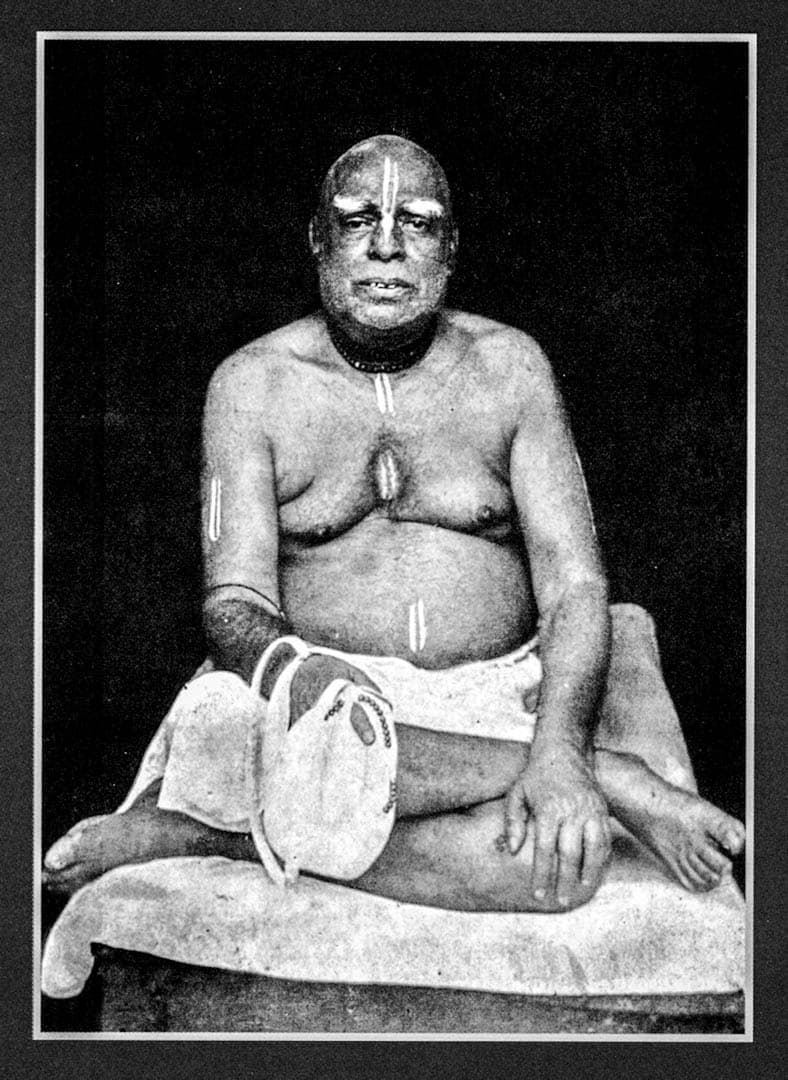
Srila Bhaktivinoda Thakur (1838-1914) stands as a towering figure in the lineage of Gaudiya Vaishnavism, a treasured preceptor within the Vedaji tradition. This multifaceted personality wasn’t just a spiritual leader; he was a man of many hats: a magistrate working under British rule, a prolific writer and poet, and a devoted householder raising ten children.
Bhaktivinoda Thakur’s life was a testament to the profound impact one individual can have. During a time when the teachings of Chaitanya Mahaprabhu were largely obscured, he spearheaded their revival with unwavering dedication. Through his prolific writings, amounting to nearly one hundred books, he meticulously explained the essence of Krishna consciousness.
Beyond scholarly pursuits, Bhaktivinoda Thakur was a tireless advocate for devotional purity. He actively exposed misconceptions and challenged the authority of pseudo-incarnations, ensuring that the path of bhakti (devotion) remained true to its core principles.
His influence wasn’t confined to mere words. As the manager of the Jagannatha Puri Temple complex, he implemented reforms to ensure proper deity worship. He became a beacon for spiritual seekers, holding regular discourses and establishing a dedicated space for chanting the holy names within the temple courtyard.
Srila Bhaktivinoda Thakur’s legacy is far-reaching. He fathered Bhaktisiddhanta Saraswati Thakura, a highly influential spiritual leader in his own right, who played a pivotal role in establishing the Hare Krishna movement. Today, Vedaji followers revere Bhaktivinoda Thakur’s life and teachings, celebrating his appearance anniversary with devotional practices like fasting and studying his works. His unwavering commitment to truth and his passionate pursuit of Krishna consciousness continue to inspire devotees across the globe.
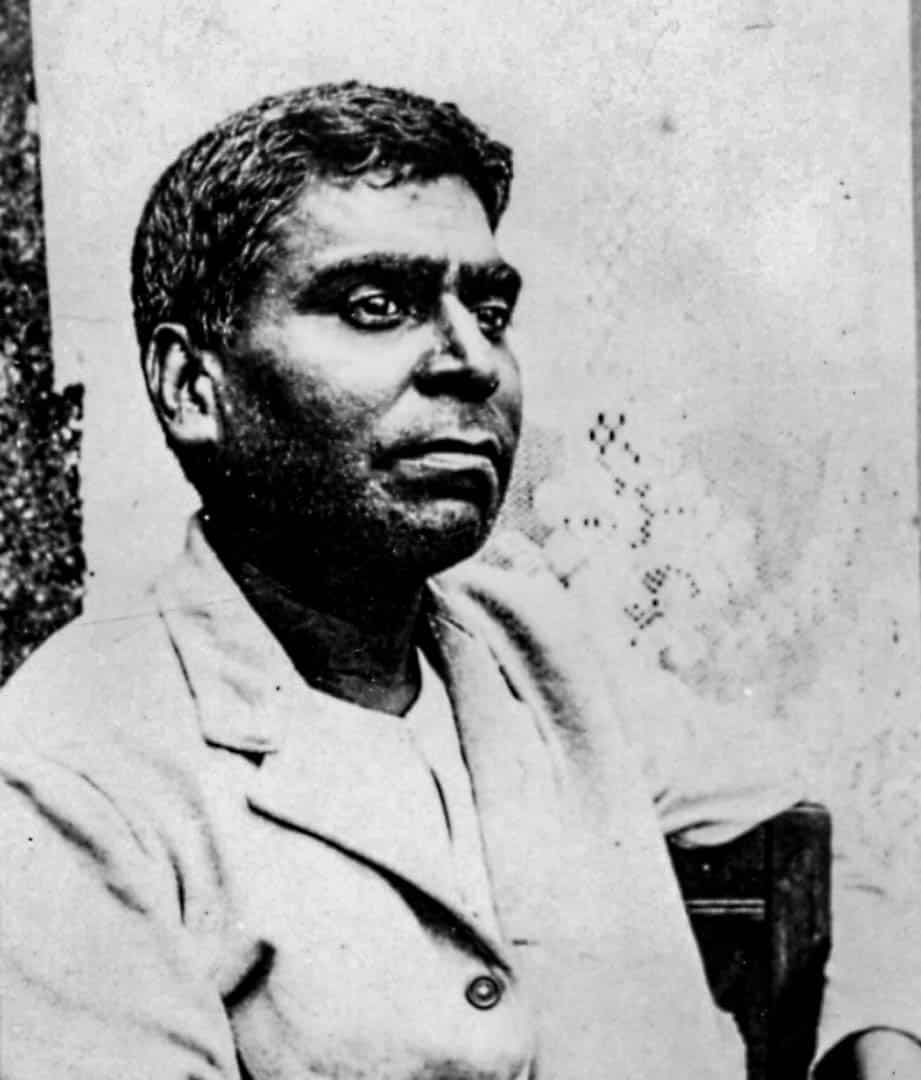
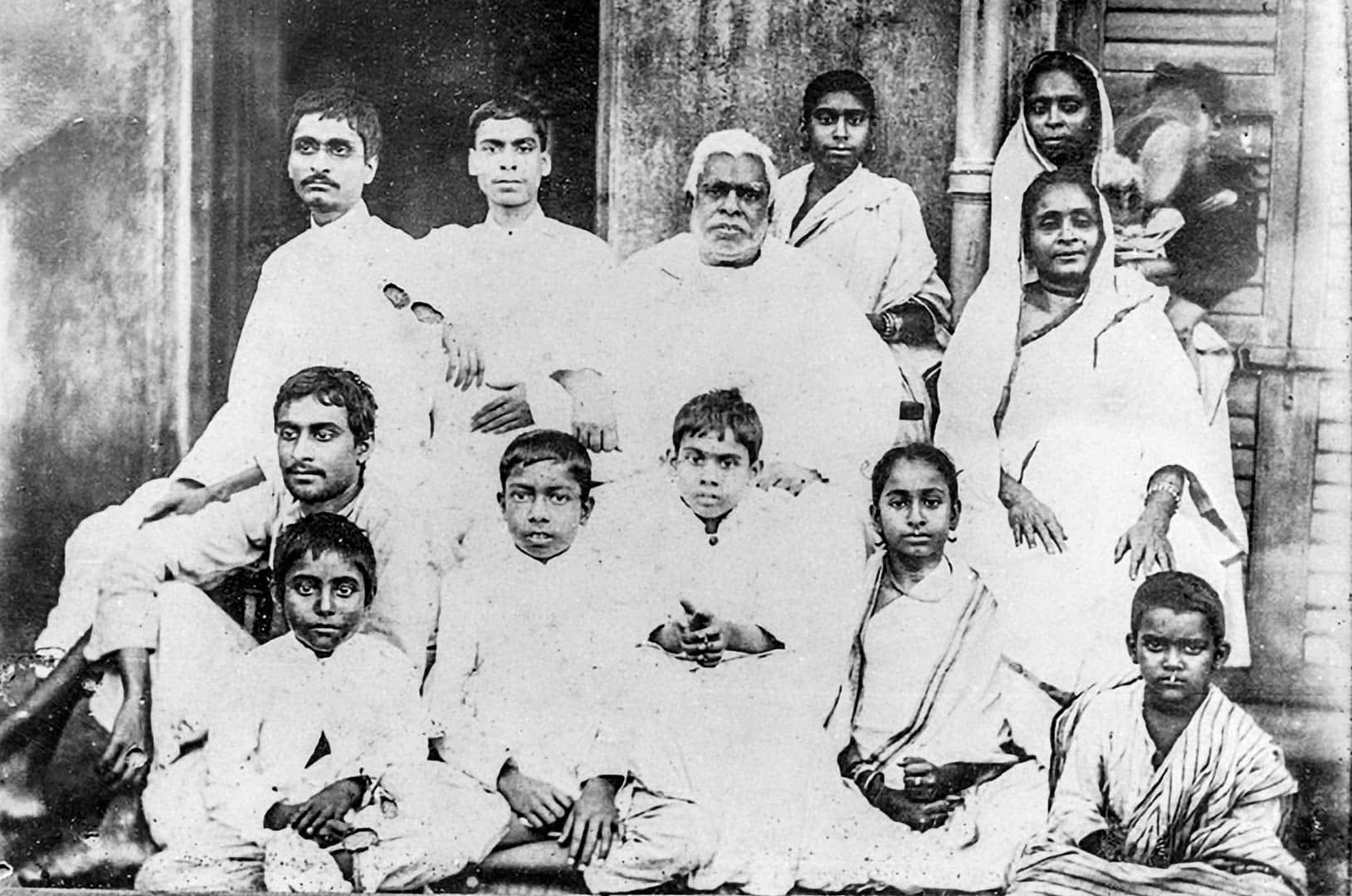
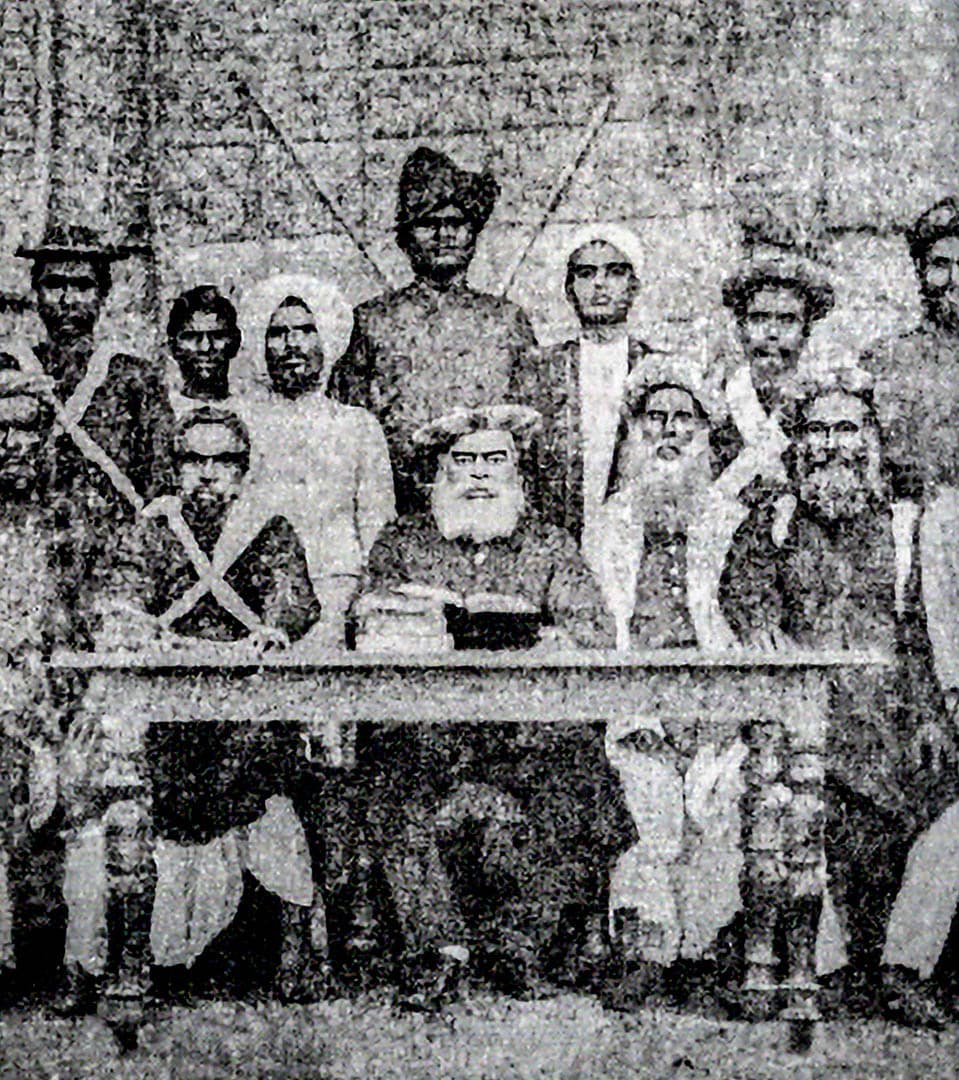
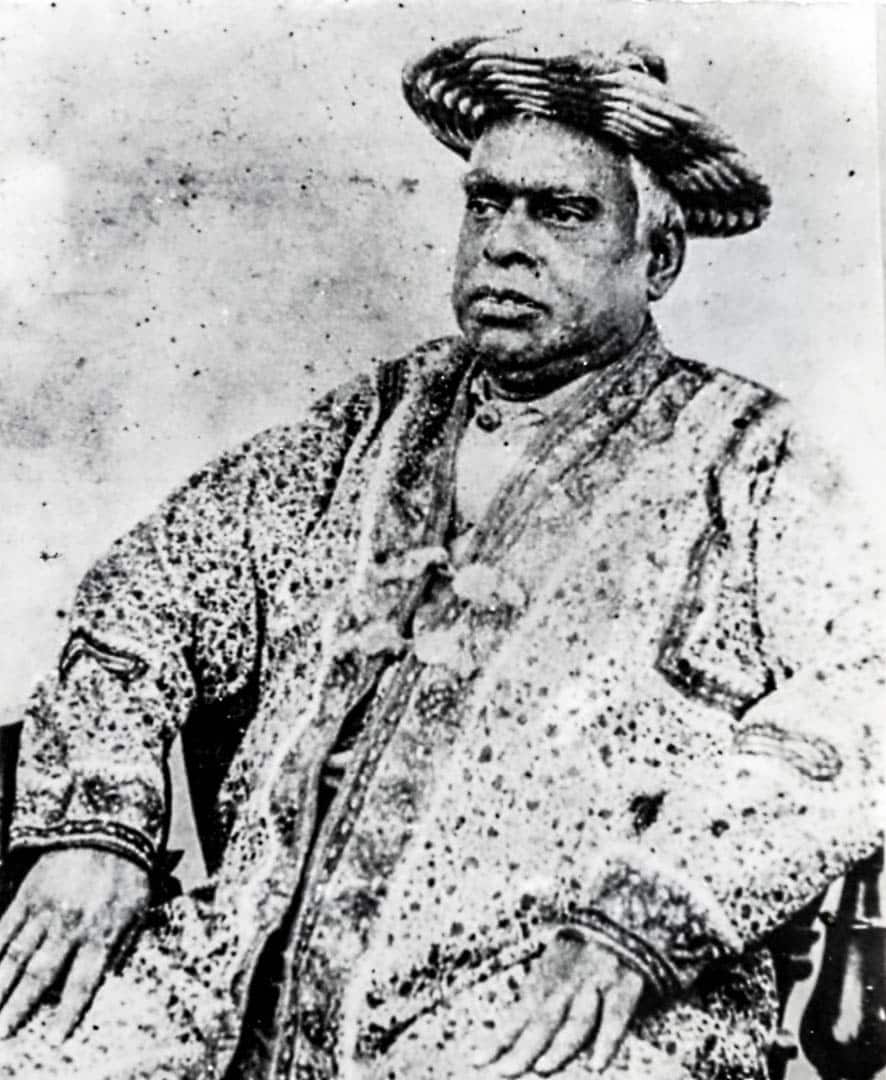
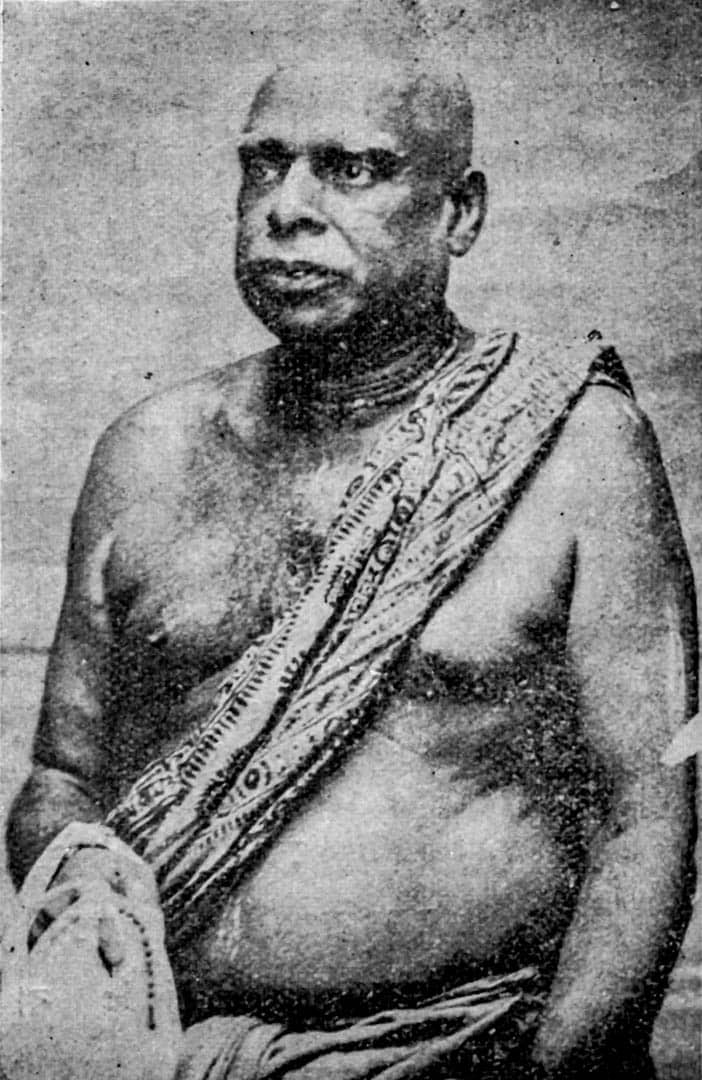
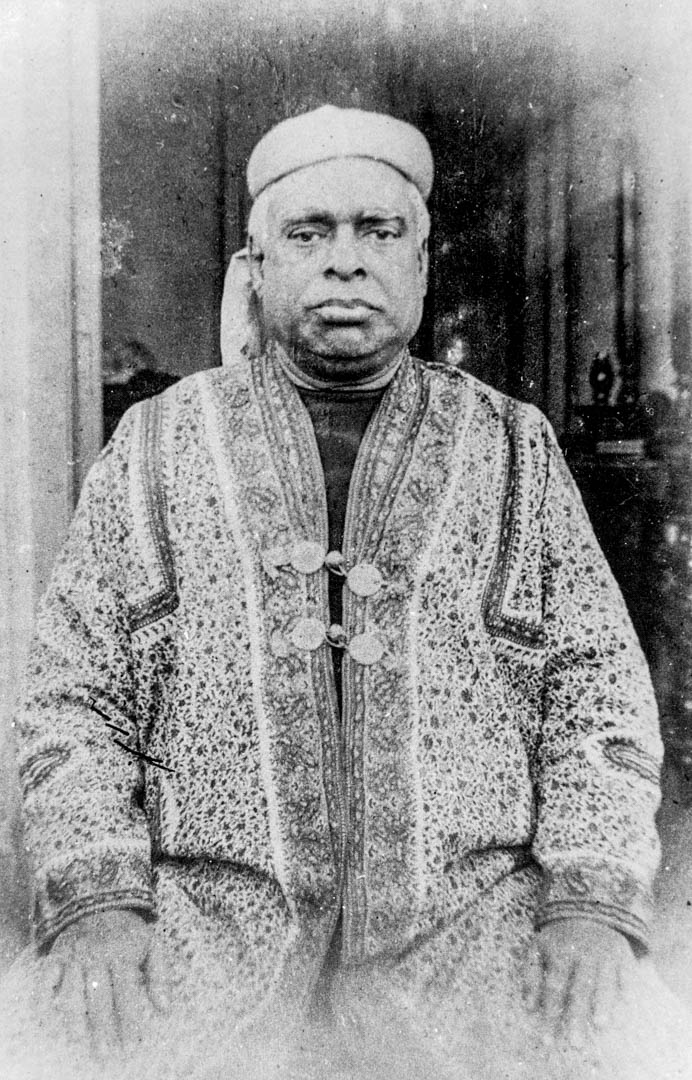
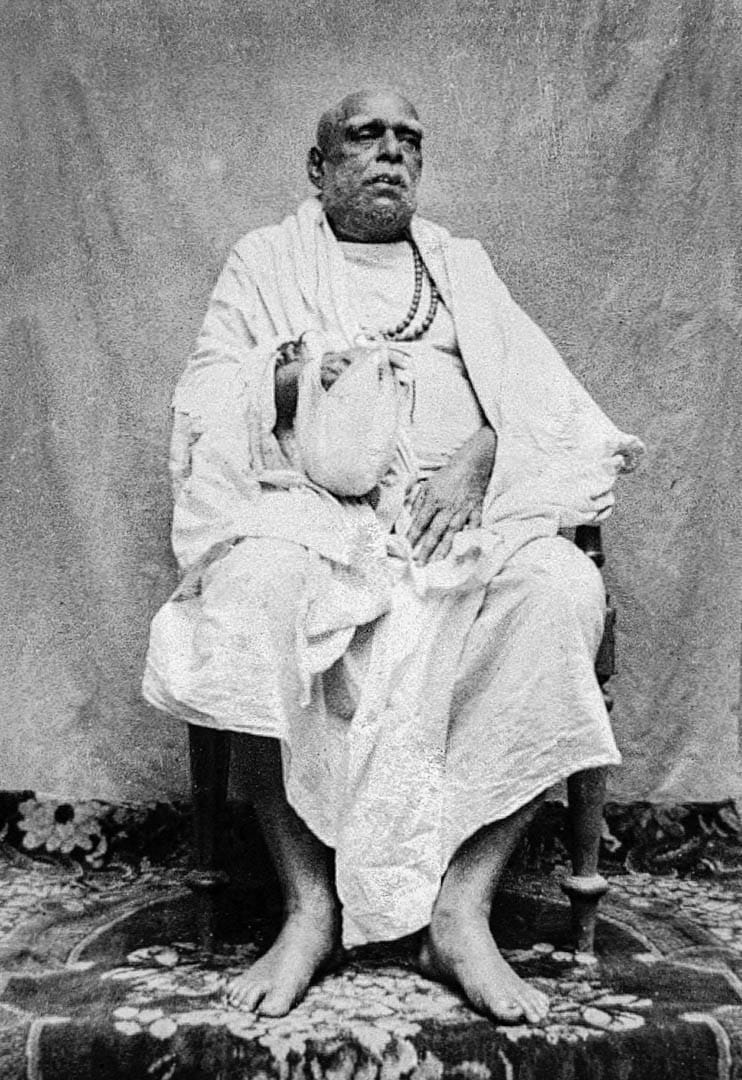
Early Life (1838-1860)
- 1838: Birth of Kedarnatha Datta (Bhaktivinoda Thakura) in a wealthy family in West Bengal.
- 1849: Loss of his father and decline of family fortune.
- 1850: Early marriage arranged. Education in English and Sanskrit.
- 1856-1858: College education in Calcutta. Exposure to Christian theology and Western literature.
- 1858: Pilgrimage to Orissan temples and monasteries. Begins teaching career.
Government Service and Spiritual Awakening (1860-1868)
- 1860s: Marriage to Bhagavati Devi. Publishes a book on Orissan temples.
- 1861: Government service as deputy magistrate. Starts writing and social reforms.
- 1866: Rise in government ranks. Exposure to sacred texts like Srimad-Bhagavatam and Chaitanya Charitamrita.
- 1868: Deep devotion to Krishna and Chaitanya Mahaprabhu. Composes songs in praise of Chaitanya.
Exposing Fraud and Spiritual Growth (1869-1878)
- 1869: Public exposure of a fraudulent yogi named Bisakisena.
- 1873-1893: Intensive study of scriptures and writing devotional books in Sanskrit and Bengali.
- 1874: Establishes a Vaishnava discussion group in Puri. Encounters with prominent Vaishnavas.
- 1874: Birth of son Bimala Prasada (later Bhaktisiddhanta Saraswati Thakura)
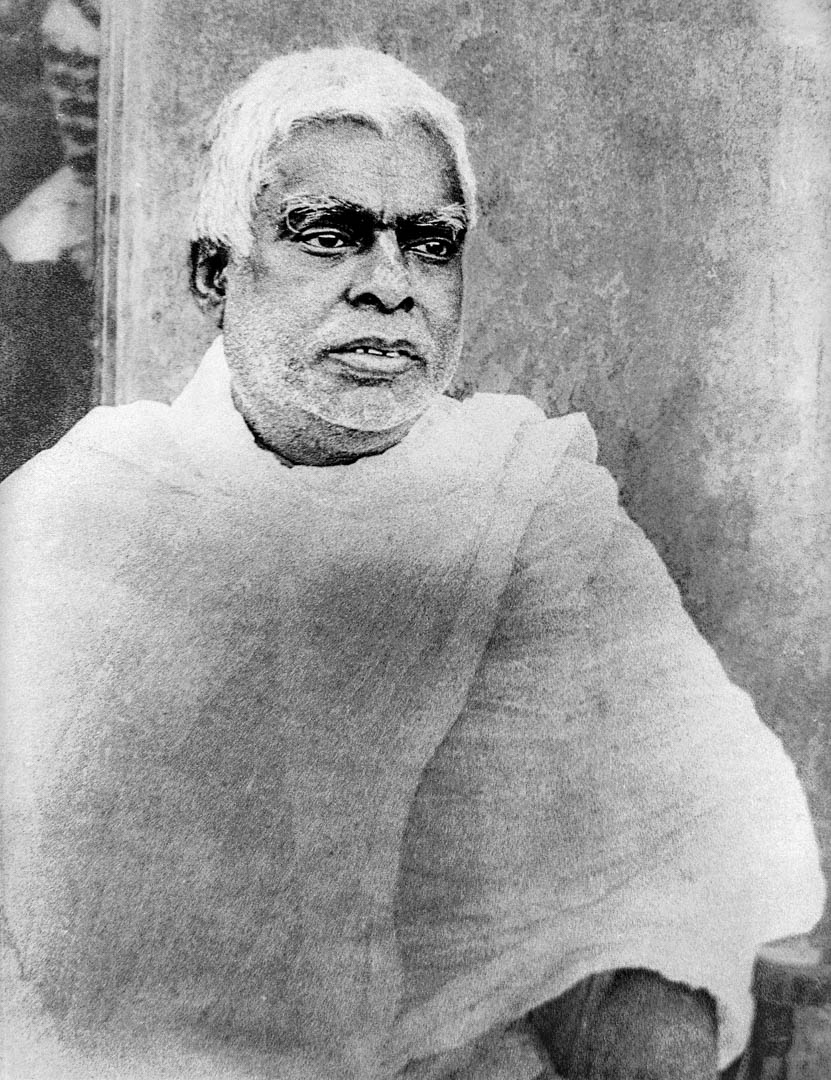
Temple Management and Public Service (1878-1886)
- 1878: Reforms temple management at Jagannatha Puri.
- 1878-1881: Government transfers to various districts. Publishes influential Vaishnava writings.
- 1881: Starts publishing the Vaishnava journal Sajjana Toshani.
- 1881-1884: Pilgrimage to Vrindavan. Encounters with saintly personalities.
- 1884: Settles in Calcutta, establishes a center for devotional worship. Influences renowned writer Bankim Chandra.
Literary Achievements and Spiritual Expansion (1884-1914)
- 1884-1914: Publication of numerous books on Chaitanya Mahaprabhu’s teachings and Vaishnava philosophy.
- 1886: Publishes Bhagavad-gita with Bengali commentary.
- 1886-1914: Establishes printing press for disseminating Vaishnava literature.
- 1886-1914: Founds Sri Visva-Vaishnava Sabha for promoting pure devotional practices.
- 1914: Passing of Srila Bhaktivinoda Thakura, leaving a rich legacy of scholarship and devotion.
Unleash Your Potential
Start Your Transformation Today
Unlock the life you've always dreamed of! Sign up for our newsletter and receive a treasure trove of free resources to jumpstart your journey to a truly invigorating life. Plus, get exclusive access to upcoming events featuring the inspiring Vedaji!
Remembering Srila Bhaktivinoda Thakura
A Life of Devotion and Dedication
A close friend and relative, Calcutta High Court Judge Sarada Carana Mitra, penned a moving obituary for Srila Bhaktivinoda Thakura. He described Thakura as a man deeply devoted to God, even amidst the demanding duties of a government magistrate. Mitra noted that while his official work was honorable, for Thakura, it paled in comparison to the service of God.
Thakura’s son, Lalita Prasada, offered a glimpse into his father’s remarkably disciplined daily routine. It was a life meticulously balanced between devotion, duty, and service.
A Life of Discipline and Devotion
- Evenings: After a brief rest, Thakura would rise at 10 pm, write devotional works by lamplight until 4 am, and then take another short rest.
- Early Mornings: Rising again at 4:30 am, he would perform his ablutions, chant the Hare Krishna mantra, and dedicate time to writing letters and studying scriptures. He received guests or continued studying until breakfast.
- Strict Official: Maintaining a professional appearance in court attire, Thakura was known for his strong decisions, efficiency, and intolerance for corruption. His attire, however, included a telltale sign of his faith – double-sized Tulasi neckbeads and Vaishnava tilaka.
- Simple Living: A man of simple tastes, Thakura shunned ostentatious living and material attachments. He avoided debt, ate modestly, and even refused government honors that might have conflicted with his spiritual mission.
- Compassionate and Principled: Despite his strict moral code, Thakura was known for his generosity to Brahmins and people of all castes. He was humble, amiable, and refused gifts, preferring a life free from worldly temptations.
A Scholar and Champion of Purity
- Literary Prolificacy: Beginning at the young age of 12, Thakura authored a prolific number of books throughout his life.
- Preserving Traditions: He championed the purity of devotional practices, opposing distractions like harmoniums during chanting.
- Linguistic Expertise: A true polymath, Thakura was proficient in Bengali, Sanskrit, English, Latin, Urdu, Persian, and Oriya.
Srila Bhaktivinoda Thakura’s life stands as a testament to the power of faith and devotion that can flourish even amidst worldly responsibilities. He was a man of remarkable discipline, scholarship, and a deep commitment to serving God.
Unlock Your Potential
Give Your Inbox Purpose
Take the first step towards the life you want. When you sign up, you receive a newsletter with free resources on moving towards an invigorating life (and upcoming events with Vedaji!)